InfoPrice
Rebuilding design in a fast-moving SaaS company
Rebuilding design in a fast-moving SaaS company
At InfoPrice, I helped turn design into a more structured and scalable function by improving product delivery, strengthening design operations, and supporting team growth across multiple products.
Overview
When I joined InfoPrice, design lacked structure and consistency across the company’s product ecosystem. My role went beyond interface design: I contributed to product delivery, helped improve design operations, supported hiring and onboarding, and strengthened the foundations needed for a growing team to work more efficiently.
This case is important because it shows not only product thinking, but also how I help teams make design more mature, collaborative, and scalable over time.
Business Context
InfoPrice is a SaaS company focused on pricing intelligence and market analysis. The company was operating in a fast-moving environment where product quality, internal alignment, and speed of delivery all had a direct impact on growth and customer satisfaction.
At the time, design needed to evolve from a less structured function into a more reliable and strategic part of the product organization.
Why This Was Hard
This project was complex because the challenge was not limited to improving isolated screens or flows. Design had to support multiple products while also becoming more mature as a function.
That meant balancing short-term delivery with longer-term foundations. I had to work within active product demands while helping create clearer standards, better collaboration, and a more sustainable way for design to operate as the team grew.
My Role and Ownership
My contribution included both hands-on product design and broader structural work that helped design scale more effectively inside the company.
I worked across multiple products and contributed to:
UX and product design for key flows and features
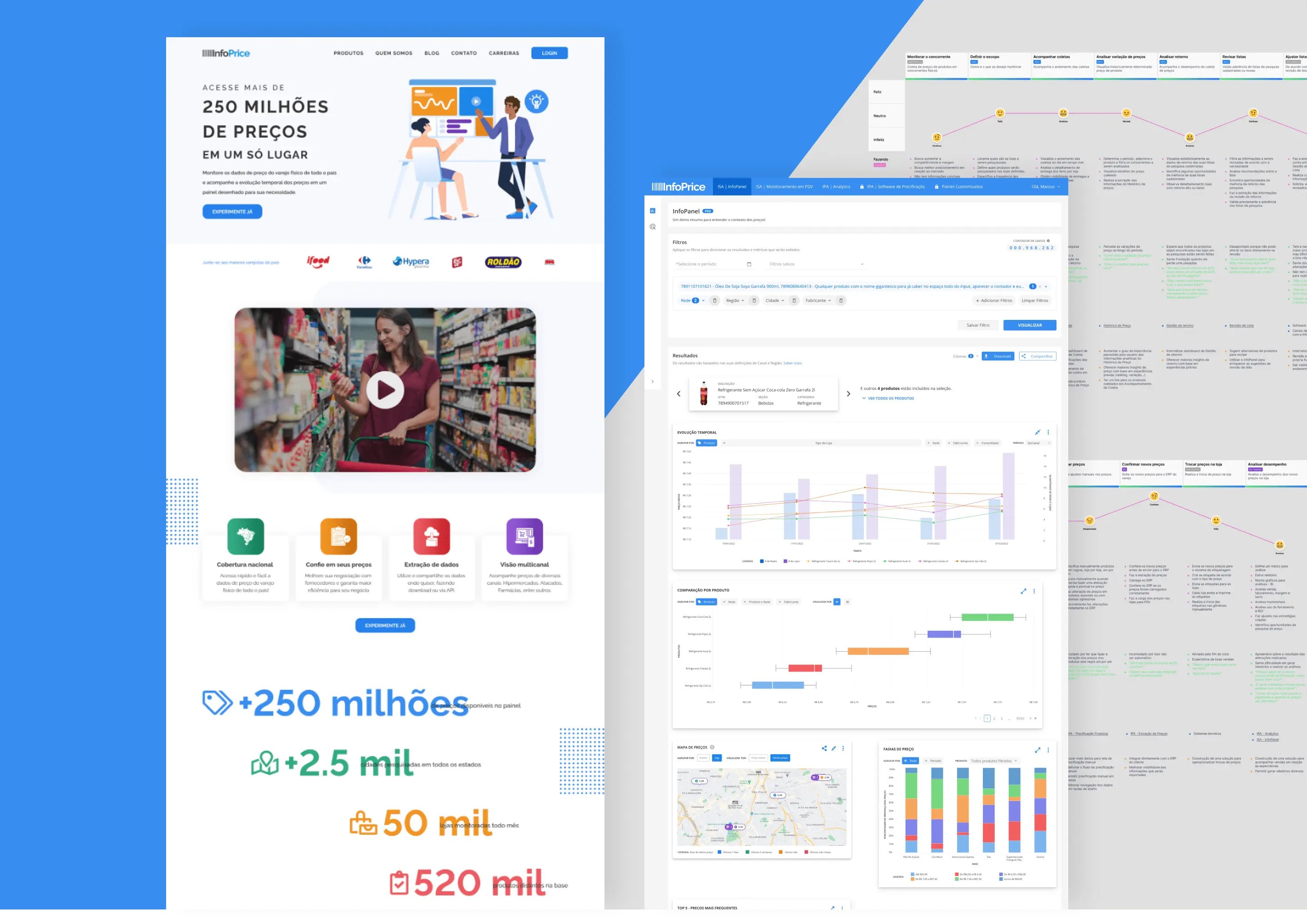
User research and journey mapping
Design operations improvements
Collaboration with product and engineering to reduce friction
Hiring, onboarding, and mentoring support
Strengthening shared standards and reusable patterns across the product ecosystem
A big part of this work was helping design become more consistent, more collaborative, and more capable of scaling with the business.
Approach and Key Decisions
One of the most important decisions I made was to look beyond isolated interface improvements and focus on the structures that would make design more sustainable over time.
Rather than solving each problem independently, I worked to create stronger alignment through research, journey mapping, shared patterns, and clearer workflows. This helped reduce rework and made collaboration across teams more efficient.
I also approached the work with a balance between immediate delivery and long-term maturity. The goal was not only to improve current product experiences, but to help create a better design environment for future work as well.
Design System Impact
As the team expanded and worked across multiple products, the design system became a strategic foundation rather than just a UI library.
Strengthening shared patterns and reusable components helped create more consistency across the product ecosystem, reduced rework between design and engineering, and made delivery more efficient. It also supported onboarding, gave the team a clearer operating model, and helped design scale with more confidence.
In this project, the value of the design system was not only visual consistency. It was part of building operational maturity in design.
Outcomes
The work contributed to stronger product quality, better collaboration, and a more mature design practice across the company.
Highlights include:
NPS growth from -23 to +72
Reduced rework between design and engineering
Improved collaboration and clearer product decisions
Support for team growth from 4 to 10 designers
Stronger foundations for design to operate across multiple products
Key Learnings
This experience reinforced that design maturity is not built only through better interfaces. It also depends on better systems, better collaboration, and clearer ways of working.
It shaped how I think about UX leadership: not only as delivering good product work, but as creating the conditions that allow good work to happen repeatedly and at scale.
Closing Statement
This case shows how I work when design needs both execution and structure. I can contribute directly to product outcomes while also helping teams improve the foundations that make design more scalable, consistent, and valuable over time.
InfoPrice
Rebuilding design in a fast-moving SaaS company
At InfoPrice, I helped turn design into a more structured and scalable function by improving product delivery, strengthening design operations, and supporting team growth across multiple products.
Overview
When I joined InfoPrice, design lacked structure and consistency across the company’s product ecosystem. My role went beyond interface design: I contributed to product delivery, helped improve design operations, supported hiring and onboarding, and strengthened the foundations needed for a growing team to work more efficiently.
This case is important because it shows not only product thinking, but also how I help teams make design more mature, collaborative, and scalable over time.
Business Context
InfoPrice is a SaaS company focused on pricing intelligence and market analysis. The company was operating in a fast-moving environment where product quality, internal alignment, and speed of delivery all had a direct impact on growth and customer satisfaction.
At the time, design needed to evolve from a less structured function into a more reliable and strategic part of the product organization.
Why This Was Hard
This project was complex because the challenge was not limited to improving isolated screens or flows. Design had to support multiple products while also becoming more mature as a function.
That meant balancing short-term delivery with longer-term foundations. I had to work within active product demands while helping create clearer standards, better collaboration, and a more sustainable way for design to operate as the team grew.
My Role and Ownership
My contribution included both hands-on product design and broader structural work that helped design scale more effectively inside the company.
I worked across multiple products and contributed to:
UX and product design for key flows and features
User research and journey mapping
Design operations improvements
Collaboration with product and engineering to reduce friction
Hiring, onboarding, and mentoring support
Strengthening shared standards and reusable patterns across the product ecosystem
A big part of this work was helping design become more consistent, more collaborative, and more capable of scaling with the business.
Approach and Key Decisions
One of the most important decisions I made was to look beyond isolated interface improvements and focus on the structures that would make design more sustainable over time.
Rather than solving each problem independently, I worked to create stronger alignment through research, journey mapping, shared patterns, and clearer workflows. This helped reduce rework and made collaboration across teams more efficient.
I also approached the work with a balance between immediate delivery and long-term maturity. The goal was not only to improve current product experiences, but to help create a better design environment for future work as well.
Design System Impact
As the team expanded and worked across multiple products, the design system became a strategic foundation rather than just a UI library.
Strengthening shared patterns and reusable components helped create more consistency across the product ecosystem, reduced rework between design and engineering, and made delivery more efficient. It also supported onboarding, gave the team a clearer operating model, and helped design scale with more confidence.
In this project, the value of the design system was not only visual consistency. It was part of building operational maturity in design.
Outcomes
The work contributed to stronger product quality, better collaboration, and a more mature design practice across the company.
Highlights include:
NPS growth from -23 to +72
Reduced rework between design and engineering
Improved collaboration and clearer product decisions
Support for team growth from 4 to 10 designers
Stronger foundations for design to operate across multiple products
Key Learnings
This experience reinforced that design maturity is not built only through better interfaces. It also depends on better systems, better collaboration, and clearer ways of working.
It shaped how I think about UX leadership: not only as delivering good product work, but as creating the conditions that allow good work to happen repeatedly and at scale.
Closing Statement
This case shows how I work when design needs both execution and structure. I can contribute directly to product outcomes while also helping teams improve the foundations that make design more scalable, consistent, and valuable over time.
Featured Projects
Skills
About Me
Testimonials